Posts Tagged ‘dominion’

January 06, 2015 – February 01, 2015
By Amy Hartmann
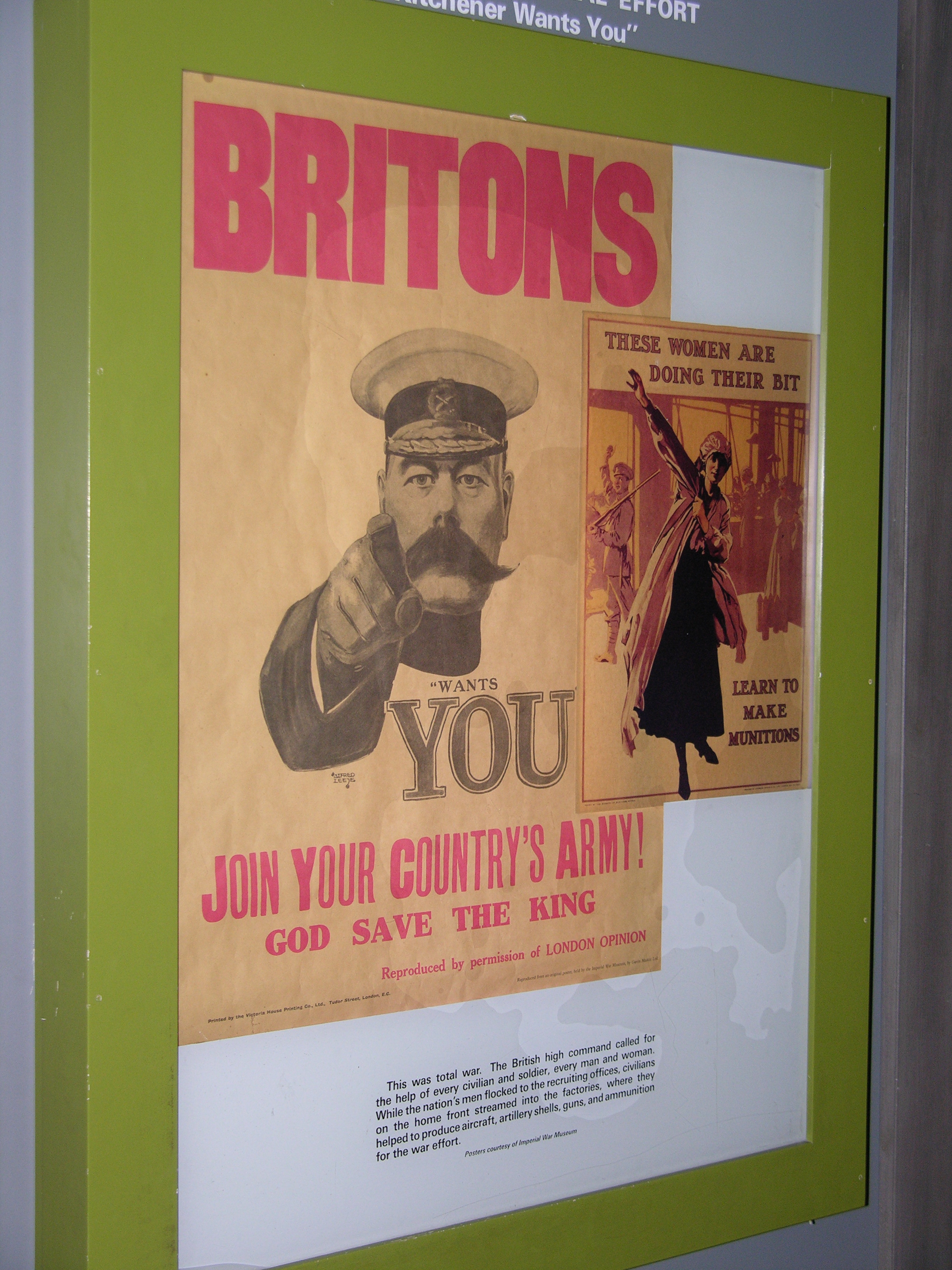
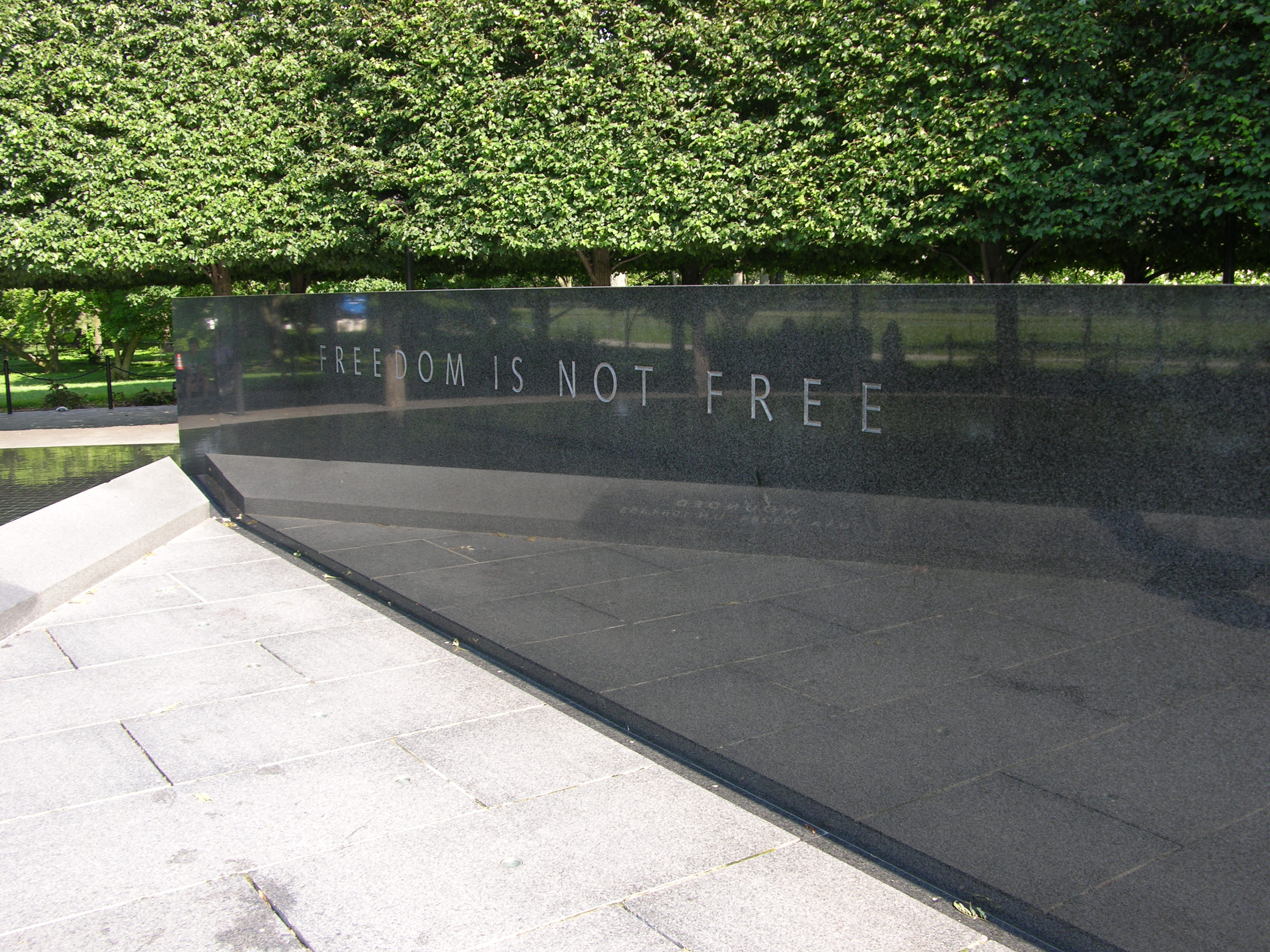
DSCN9547 In 1914, the assassination of Archduke Franz Ferdinand of Austria and his wife, Sophie, Duchess of Hohenberg, launched a world period of warfare and instability that lasted for almost 40 years. This shifting of world powers and tensions between the ruling families of Europe and their respective national governments, dominated world events well into the 1950s. Millions lost their lives as World War I and II shook the nations.
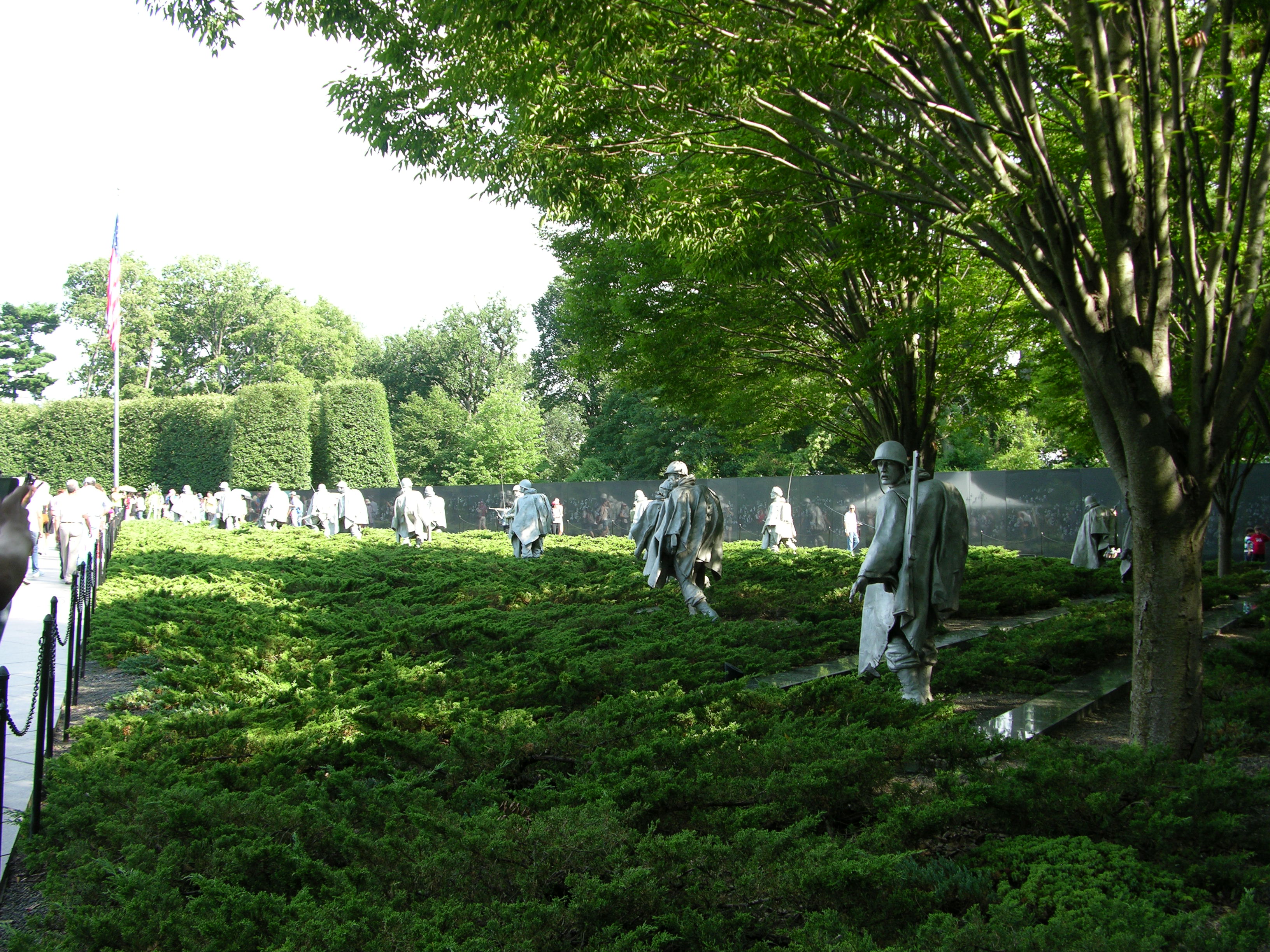
DSCN9663The ensuing regional wars continued, as military powers fought for more and more control. Actions mostly prompted world events, but words and ideologies elevated the actions, and triggered unbelievable blood shed.DSCN9691 Political point of view has such an impact on how we receive and process information and revelation. Hindsight and history are great levelers of learning boundaries and disabilities.DSCN9655  Reading through eye-witness accounts and documents, often gives us the ability to look into how the information being presented was initially captured, and how it affected those taking the time and opportunity to record the historical events unfolding in their day. Such is the impact of the first four books of the New Testament, documents entitled ‘The Gospels’ in liturgical speak. The word gospel means ‘good news’; and so the accounts of the times of Jesus were to those who chose to recount His life and earthly ministry.DSCN9777
The histories of the men, whose books bear their names [Matthew, Mark, Luke and John], tell much about how their writings came to be accepted as reliable accounts. Matthew was a tax collector Jesus personally called to come and follow Him. In Rabbinical schools of Jesus’ day, the teacher (Rabbi) would gather a small group of students together in a fixed group to stay together and learn for a fixed period of time. Being chosen by well respected teachers was a great privilege. This choosing process usually occurred while the students were still very young. Fishermen and tax collectors were not likely candidates for these select groupings.(1) Much effort and study of these four works individually, and in parallel, has been documented all the way back to the second century.(2)

DSCN9752 Matthew was a duty or toll booth tax collector, who extracted taxes and government tolls from the local farmers, merchants and caravans that traveled the main highway from Damascus (in Syria today) down through the Jordan Valley to Capernaum. The same road also had a segment that went west to join the coastal road that led to Egypt; and southward to Jerusalem. Employed by Herod Antipas, Matthew knew the value of goods being bartered or traded and sold. He spoke the local Aramaic language as well as Greek, and he leased his tax collecting business annually; paying the upfront amount to the Roman government. The amount he collected in repayment was profitable and gave him much wealth; therefore because of his heavy handed practices, he was despised and reviled by his fellow Jews.(3)    cropDSCN9544

Early church writings present the Gospel of Mark as the work of John Mark. He shows up on missionary journeys with Barnabas and the Apostle Paul and as a probable assistant to the disciple Peter. Some historians have suggested that Mark’s narrative of Jesus’ arrest in the Garden of Gethsemane provides an interesting clue to the identity of the writer:

“And a young man was following Jesus [in the crowd of people] with nothing but a linen cloth (drape or sheet) thrown about his body. And they [the soldiers in the arrest cohort] laid hold of him. But leaving behind the linen cloth, he fled from them (and the scene of the arrest) naked.”(4)

Mark seeks to address a non-Jewish audience and he takes the time to explain Jewish customs and some of the harder to understand Jewish traditions. Mark’s detailed accounts document the recollections of Peter, the disciple Jesus called out of the boat to walk with Him on the raging sea. Mark goes after the action of Jesus’ purpose and life. Mark’s account is the Jesus action movie we need today. Mark captures the hellish intent of demonic forces to overtake people, even young children, and to bring great destruction to them and those they are around. Mark makes it clear that demons exist and target even the youngest and most vulnerable.(5)
DSCN9694Luke was a physician of his day and possibly Greek. He was a traveling companion and a close friend of the Apostle Paul, and early church historians date Luke’s first book as being written during Paul’s first Roman imprisonment. Luke also wrote the book of Acts as a follow up to his Gospel narrative. Luke wanted to present a “orderly” account to events he sought to verify through much research. He had contact with the elders in the Jerusalem church which included James, the half-brother of Jesus. He most likely interviewed Mary and the other disciples who were eye witnesses of Jesus’ life and ministry.(6)

John and his brother James were originally followers of John the Baptist. Upon hearing the Baptist’s testimony about Jesus, they left and became disciples of Jesus. John’s family were fishermen, prosperous and willing to give their financial substance to support the daily needs of Jesus as He traveled and ministered. John’s youth and his eye witness account, provides a very interesting and challenging perspective. Jesus referred to John and James as “The sons of Thunder” because of their zeal. Jesus also referred to John as “the Beloved Disciple”.(7)  As He was dying on the cross, Jesus charged John with the care of His mother.(8) 11831_1098292957987_1652245_n

Because of personal experience, John grasped the divinity of Jesus as ‘The Christ’, the promised Messiah from God. John set down his account to prove his understanding, by documenting key miracles or signs that Jesus performed. John opens his narrative with this incredible declaration:

“In the beginning was the Word, and the Word was with God, and the Word was God. He was with God in the beginning. Through Him [Jesus] all things were made; without Him nothing was made that has been made. In Him was life, and that life was the light of men. The Light shines in the darkness, but the darkness has not understood it… The Word became flesh and made His dwelling among us. We have seen His glory, the glory of the One and Only, who came from the Father, full of grace and truth.”(9)

He also documented the drastic, radical, revolutionary declarations made by Jesus. It is here in John’s writings we begin to see the magnitude of this far-reaching perspective, and the impact of Jesus’ uncompromising words:

• I AM the Bread of Life; he who comes to Me shall never go hungry; he who believes in Me shall never be thirsty.(10)
• I AM the Light of the world; he that follows Me shall not walk in darkness.(11)
• I AM the door; by Me if any man enter in, he shall be saved.(12)
• I AM the good Shepherd…I lay down My life for the sheep.(13)
• I AM the resurrection and the life. He who believes in Me will live, even though he dies.(14)
• I AM the Way, the Truth and the Life; no one comes to the Father except through Me.(15)
• I AM the true Vine, and My Father is the Gardner. He cuts off every branch in Me that bears no fruit.(16)
• Do not let your hearts be troubled. Trust in God; trust also in Me.(17)
• He who has seen Me has seen the Father. The words I say to you are not just My own. Rather, it is the Father, living in Me who is doing His work.(18)
• Anyone who has faith in Me will do what I have been doing. He will do even greater works than these [all of Jesus’ miracles] because I am going to the Father.DSCN2736(19)
The impact of His phraseology was not lost on His audience. Their memories were fixed on a former Hebrew deliverer named Moses, who encountered God in a burning bush on the far side of the desert of Midian at Horeb, the mountain of God:

“Moses said to God, “Suppose I go to the Israelites and say to them, “The God of your fathers has sent me to you,” and they ask me, “What is His name?” Then what shall I tell them?”” God said to Moses, “I AM WHO I AM. This is what you are to say to the Israelites: “I AM has sent me to you.”  God also said to Moses, “Say to the Israelites, “The Lord, the God of your fathers, the God of Abraham, the God of Isaac and the God of Jacob has sent me to you. This is My name forever, the name by which I AM to be remembered from generation to generation.””(20) DSCN9523

Jesus stepped further over the line during His last meal with the disciples, just before His arrest, suffering and crucifixion. John records another interesting observation before the meal began:

“It was just before the Passover Feast, Jesus knew that the time had come for Him to leave this world and go to the Father. Having loved His own who were in the world, He now showed the full extent of His love. The evening meal was being served, and the devil had already prompted Judas Iscariot, son of Simon, to betray Jesus. Jesus knew that the Father had put all things under His power, and that He had come from God and was returning to God; so He got up from the meal, took off His outer clothing, and wrapped a towel around His waist. After that, He poured water into a basin and began to wash His disciples feet, drying them with the towel that was wrapped around Him.”(21) DSCN9562
As the disciples sat around the table, eating the Passover Supper, they pondered His pre-dinner action of washing their feet; an act of hospitality usually performed by the lowest house servant. They struggled and wrestled with His words and the possible meanings. He knew their thoughts, their anxieties, their desire for position and authority. He understood their humanity as no other man ever would. He felt their perplexity at His extreme statements.
DSCN9522As the meal was ending, Judas Iscariot [the troubled disciple], took the morsel of bread Jesus dipped in the dish. At that moment he made his decision to betray Jesus to the Jewish authorities seeking to arrest Him. John makes an interesting observation: “As soon as Judas took the bread, Satan entered into him.”(22)

Once Judas was gone, Jesus declared the glory of this moment in time. Then Jesus fired the shot heard around the world:

“A new command I give you: Love one another. As I have loved you, so you must love one another. By this all men will know that you are My disciples, IF you love one another.”(23)

We read these words now days, as kind and encouraging, and possibly ‘common place’ by our standards. How sweet to think that Jesus wants us to love each other. However, He was not just being kind; He was putting Himself in the same place as God. Thousands of years earlier, God handed down the original commandments to Moses on Mount Sinai, once Israel had been delivered from Egypt’s bondage and was encamped at the mountain side. Now Jesus was introducing a new law; He was asserting His own authority once again and introducing a new way to love – the agape way. He reiterated this new command four times during that last meal.(24) DSCN9652
[Greek #25 agapao (ag-ap-ah-o) to love, in a social or moral sense – be love](25)

Jesus threw down the gauntlet, like the medieval knights of olden times, challenging all the evil forces behind His spiritual and soon to be literal battle. “If you love Me, keep My commandments.”(26)

John captures one more significant event just before Jesus is arrested. After the dinner and the profound passages which capture the comfort Jesus was giving to His group of unlikely disciples, Jesus leads them across the Kidron Valley to the olive grove He favored for private time.(27)

“Now Judas, who betrayed Him, knew the place, because Jesus had often met there with His disciples. So Judas came to the grove, guiding a detachment of soldiers (a Roman Cohort with the capacity of 1000 men) and some officials from the chief priests and Pharisees.(28) They were carrying torches, lanterns and weapons. DSCN9525
Jesus, knowing all that was going to happen to Him, went out and asked them, “Who is it you want?”
“Jesus of Nazareth,” they replied.
“I am He,” Jesus said. (And Judas the traitor was standing there with them.)

When Jesus said, “I am He,” they drew backward (lurched backward) and fell to the ground.  Again He asked them, “Who is it you want?”
And they said, “Jesus of Nazareth.”
“I told you that I AM He,” Jesus answered. “If you are looking for Me, then let these men go.”  This happened so that the words He had spoken would be fulfilled: “I have not lost one of those You gave Me.”  Then Simon Peter, who had a sword, drew it and struck the high priest’s servant, cutting off his right ear. (The servant’s name was Malchus.)  Jesus commanded Peter, “Put your sword away! Shall I not drink the cup the Father has given Me?”(29)  

Matthew documents:

“Put your sword back in its place.” Jesus said to him, “for all who draw the sword will die by the sword. Do you not think I cannot call on my Father, and He will at once put at My disposal more than twelve legions of angels? But how then would the Scriptures be fulfilled that say it must happen this way?”(30)

cropDSCN9671Why did the Cohort and the mob lurch backward and fall to the ground when Jesus declared, “I AM HE!”?

I believe the latent power that belonged to Jesus – power at His disposal in that crucial moment of time – was the same Power that spoke the worlds into existence. Remember? John told us in the beginning Jesus was the Word made flesh. He had the power to destroy them all and make the cross powerless, but He knew it was the Father’s plan, so He chose the Father’s way, the new command of love.

Some interesting love statistics:

12   = Number of times Matthew used the word love and its various forms
6     = Number of times Mark used the word love and its various forms
13   = Number of times Luke used the word love and its various forms
126 = Number of times John used the word love and its various forms (31)

*****************************END NOTES*************************************

(1) Excerpts from “Rabbi”; “Holman Bible Dictionary”; copyright 1991 Holman Bible Publishers; Nashville, TN; page 1162.
(2) “Harmony of the Gospels”; “Holman Bible Dictionary”; copyright 1991 Holman Bible Publishers; Nashville, TN; pages 606-608.
(3) Excerpts from “Matthew”; “Holman Bible Dictionary”; copyright 1991 Holman Bible Publishers; Nashville, TN; page 932.
(4) Mark 14:50-52; “The Comparative Study Bible – The Amplified Version”; copyright 1999, Zondervan; Grand Rapids, MI; page 2574.
(5) Excerpts from “Mark, John; and Mark, The Gospel of”; “Holman Bible Dictionary”; copyright 1991 Holman Bible Publishers; Nashville, TN; pages 918 -924.
(6) Excerpts from “Luke and Luke, Gospel of”; “Holman Bible Dictionary”; copyright 1991 Holman Bible Publishers; Nashville, TN; pages 899-903.
(7) Excerpts from “John and John, Gospel of”; “Holman Bible Dictionary”; copyright 1991 Holman Bible Publishers; Nashville, TN; pages 803-807.
(8) John 19:25-27; “The Comparative Study Bible – The New International Version”; copyright 1999, Zondervan; Grand Rapids, MI; page 2759.
(9) John 1:1-5, 14; “The Comparative Study Bible – The New International Version”; copyright 1999, Zondervan; Grand Rapids, MI; page 2689.
(10) John 6:35; “The Comparative Study Bible – The New International Version”; copyright 1999, Zondervan; Grand Rapids, MI; page 2711.
(11) John 8:12; “The Comparative Study Bible – The New International Version”; copyright 1999, Zondervan; Grand Rapids, MI; page 2719.
(12) John 10:9; “The Comparative Study Bible – The New International Version”; copyright 1999, Zondervan; Grand Rapids, MI; page 2727.
(13) John 10:14-15; “The Comparative Study Bible – The New International Version”; copyright 1999, Zondervan; Grand Rapids, MI; page 2727.
(14) John 11:25; “The Comparative Study Bible – The New International Version”; copyright 1999, Zondervan; Grand Rapids, MI; page 2731.
(15) John 14:6; “The Comparative Study Bible – The New International Version”; copyright 1999, Zondervan; Grand Rapids, MI; page 2741.
(16) John 15:1-2; “The Comparative Study Bible – The New International Version”; copyright 1999, Zondervan; Grand Rapids, MI; page 2745.
(17) John 14:1; “The Comparative Study Bible – The New International Version”; copyright 1999, Zondervan; Grand Rapids, MI; page 2741.
(18) John 14:9-10; “The Comparative Study Bible – The New International Version”; copyright 1999, Zondervan; Grand Rapids, MI; page 2471.
(19) John 14:12; “The Comparative Study Bible – The New International Version”; copyright 1999, Zondervan; Grand Rapids, MI; page 2743.
(20) Exodus 3:13-15; “The Comparative Study Bible – The New International Version”; copyright 1999, Zondervan; Grand Rapids, MI; page 149-151.
(21) John 13:1-5; ; “The Comparative Study Bible – The New International Version”; copyright 1999, Zondervan; Grand Rapids, MI; page 2739.
(22) John 13:27; ; “The Comparative Study Bible – The New International Version”; copyright 1999, Zondervan; Grand Rapids, MI; page 2741.

(23) John 13:34; “The Comparative Study Bible – The New International Version”; copyright 1999, Zondervan; Grand Rapids, MI; page 2741.
(24) John 13:34 & 35; John 15:12 & 17; “The Comparative Study Bible – The New International Version”; copyright 1999, Zondervan; Grand Rapids, MI; pages 2741 & 2745.
(25) Agapao; Greek #25; “The New Strong’s Exhaustive Concordance of the Bible”; Strong; James, LL.D.,S.T.D; copyright 1995,1996; Thomas Nelson Publishers; Nashville, TN; page 1.
(26) John 13;34 and John 14:15; “The Comparative Study Bible – The New International Version”; copyright 1999, Zondervan; Grand Rapids, MI; pages 2741and 2743
(27) John 14, 15, 16, 17; “The Comparative Study Bible – The New International Version”; copyright 1999, Zondervan; Grand Rapids, MI; pages 2741-2753.
(28) Excerpt from “Cohort”; “Holman Bible Dictionary”; copyright 1991 Holman Bible Publishers; Nashville, TN; page 274.
(29) John 18:2-11; “The Comparative Study Bible – The New International Version”; copyright 1999, Zondervan; Grand Rapids, MI; page 2753.
(30) Matthew 26:52-54; “The Comparative Study Bible – The New International Version”; copyright 1999, Zondervan; Grand Rapids, MI; page 2511.
(31) This includes the Gospel of John, I,II,III John and Revelations.

June-October, 2014

Recently I was sitting at the kitchen table with some dear friends. Our conversation turned to a key question so many people struggle with on a daily basis: Why is there such evil in the world?

See, we all know its there – we see the results of evil in ourselves when we choose to mistreat each other. We watch the news and hear of the murderous rages taking place in our schools, shopping malls, houses of worship, the city streets, and of course behind the closed doors of so many homes. We’ve seen evil take on the face of religion and march through history destroying people groups. We see it continue to do so now in tumultuous hotspots all around the world.

We see evil take on the face of the clergy and abuse unsuspecting children and young teens. We see evil take on the face of entertainment and we spend billions of dollars each year watching evil play out on the screens of our phones, computers, tablets and big screen TVs. With all this evil swirling about so freely, when it reaches out its unbiased hand and touches our individual lives, we angrily shake our fists towards heaven and demand to know why these hurtful, harmful things were allowed to happen in the first place. The book of Job documents this same conversation with God thousands of years ago.

So many people struggle with this complex question when they start their conversation with God, especially the God of Abraham, Isaac and Jacob – the God of the Bible – and the God who sent His son, Jesus the Christ, into the world to take on this key issue first hand.  Many thought provoking books have been written on this subject, but the Bible (I believe) brings us face to face with this key issue better than any other; and it gives some very specific, historical answers to this question. My thoughts here are simply to offer my proof texts on such a complicated, yet surprisingly simple question.

To understand this question, we have to go back to the beginning [H# 7225 re’shiyth (ray-sheeth); beginning, chief, first, principal thing, order of rank.](1) Genesis gives us a very specific account of creation. On the first day, God began to speak, and as He did, things began ‘to be’. As the days of creation progressed, God continued to speak and magnificent things unfolded. The sub-atomic structure, at its most minute levels, consists of light particles and dark particles. God’s words and His sound created matter!

  • Day 1: Light – God separated light from the darkness. He called the light ‘day’ and the darkness He called ‘night’.
  • Day 2: An expanse in the midst or between the waters, which God called, “sky”. [H#7549 raqiya (raw-kee-ah); an expanse; atmosphere; firmament; from H#7554 raqa(raw-kah); to pound the earth as a sign of passion; to expand by hammering; to beat, spread abroad, stamp, stretch].(2)
  • Day 3: Dry land, the seas, vegetation/seed bearing plants; trees.
  • Day 4: Lights in the expanse of the heavens, to separate the day from the night; lights to be for signs and seasons, for the days and the years.
  • Day 5: Living creatures in the waters and birds to fly above the expanse of the earth; great sea monsters.
  • Day 6: Animals, beasts of the earth; everything that creeps on the ground after its kind; AND then, man [H#120 ‘adam (aw-dawm); a human being].(3)

It is interesting to note that on the fourth day God spoke the other planets (the stars, the sun and the moon) into existence. According to the Biblical account, the earth is older than the other planets in the universe. God was so pleased with all of His creation, He spoke and blessed them, commanding them to be fruitful and increase and fill the areas assigned to them all. Everything God spoke from His marvelous imagination came into being, and He saw that it was all good.

On the sixth day, God showed His greatest creativity. He created the beasts of the earth after their kind. Then He spoke and said:

“Let us make man in our image and our likeness, and let them rule over the fish of the sea and the birds of the air, over the livestock, over all the earth, and over all the creatures that move along the ground.” So God created man in His own image, in the image of God He created him, male and female, He created them. God blessed them and said to them, “Be fruitful and increase in number; fill the earth and subdue it. Rule over the fish of the sea and the birds of the air and over every living creature that moves on the ground.”(4)

DOMINION BESTOWED

God was pleased with His creation works. In fact, He said it was very good. Several key points need to be recognized here:

  • Everything was good – everything!
  • Genesis 1:1-2 points to God speaking and the Holy Spirit hovering over the waters as God spoke His desires.
  • God created the earth and released His dominion mandate upon mankind. Look at the orders given: be fruitful, increase in number, fill the earth, subdue it, rule!
  • The Hebrew words here are quite interesting: “Let them rule…” [Hebrew #7287 radah (raw-daw); to tread down, subjugate, to have dominion, prevail against, reign, etc].(5)
  • The Hebrew name for God (used here in the text of Genesis) is “Elohim”- [H# 430 elohiym (el-o-heem) the Supreme God] and Ehohim is used 32 times in this chapter.(6)
  • This is the only plural Hebrew form of God’s name, indicating that God the Father, God the Son and God the Holy Spirit were all present at this time. This triune concept of God and His personality was not fully understood until Jesus came “as the Word made flesh”. The disciple, John the Beloved, made it clear that Jesus was with God in the beginning and “through Him (Jesus) all things were made.”(7)
  • Matthew explains this fully in his closing verses proclaiming Jesus’ great commission for His disciples to go into all the world and make disciples of all nations, baptizing them in the name of the Father, and the Son, and the Holy Spirit.(8)
  • The Apostle Paul elaborates on this relationship much further when he says, “Jesus is the image of the invisible God, the [G# 4416 prototokos (pro-tot-ok-os; first born, with God as the prototype](9) first born over all creation. For by Him (Jesus) all things were created, both in the heavens and on earth, visible and invisible, whether thrones or dominions [G#2963 kuriotes (koo-ree-ot’ace) mastery; rulers, dominion, government.](10) or rulers [G#746 arche (ar-khay) a commencement or chief of order, time, place or rank, beginning, order first, magistrate, power, principality, principle, rule](11) or authorities [G#1849 exousia (ex-oo-see’-ah) privilege, force, capacity, competency, freedom, mastery, magistrate, superhuman, potentate, token of control, delegated influence; authority, jurisdiction, liberty, power, right, strength](12) – all things have been created by Him and for Him. He is before all things, and in Him all things hold together.(13)
  • “The highest heavens belong to the Lord, but the earth He has given to man.”(14)
  • “What is man that You are mindful of him, the son of man that You care for him? You made him a little lower than the heavenly beings and crowned him with glory and honor. You made him ruler over the works of Your hands; You put everything under his feet: all flocks and herds, and the beasts of the field, the birds of the air, and the fish of the sea, all that swim the paths of the sea.”(15)

THE FIRST ADAM: DOMINION LOST

The first two chapters of Genesis start out with such promise; God makes the earth and the cosmos. God makes man, in His image. God puts Adam and his helpmate, Eve, in the Garden of Eden. Chapter Three gives this rosy picture and then introduces a new character, the serpent; and a new focus, two trees in the center of the Garden: the Tree of Life and the Tree of the Knowledge of Good and Evil.

As the chapter unfolds, we realize this deceptive serpent creature introduces evil into the world, first in the form of doubt and unbelief. The serpent challenges Eve to consider that God has withheld something pleasurable and to be desired, from her and her mate. Eve takes the forbidden fruit (which most assuredly is not an apple since we have so many varieties and the forbidden fruit from the Tree of the Knowledge of Good and Evil, was the only tree of its kind).

The force behind this creature emerges in Chapter Four when God begins to question Cain,(the firstborn son of Adam and Eve), regarding the voice of his brother Able’s blood. God says that this blood was crying out from the ground where it was spilt when Cain slew Able out of anger and jealously. Cain’s ire against his brother arose from an unacceptable offering Cain made before God. Able’s sacrifice was accepted. God advised Cain that if he did well he would be accepted in God’s sight.

God also warned Cain if he did not do ‘right’, that a portal of sin [H#2403 chatta’ah (khat-taw-aw) an offence, and its penalty; occasion,](16) was opening up before him. God explains to Cain that this force wants to come through the opening door and have mastery over him – and God commands Cain to master it instead. [H#4910 mashal (maw-shal) to rule, have dominion, reign, have power].(17)

This reference in Genesis Chapter 4 is the first time the word sin appears in the Old Testament. The first chapter of the book of Job describes Satan [H#7854 satan (saw-tan) opponent, the arch enemy of good, adversary, withstand, Satan] (18) as the person behind this force of evil; and it is the book of Job which elaborates on the character and personality of this fallen angel and his ‘devilish’ plans for mankind.

Isaiah’s writings give us another reference for Satan’s name: “Lucifer”. Isaiah describes this created angelic being’s original purpose: how he was the anointed cherub whose role was to bring worship as a covering over God’s throne. Isaiah also tells us Satan’s crime – a conversation Satan had in his heart – which God heard and adjudicated:

“How you have fallen from heaven, O star of morning, son of the dawn! You have been cut down to the earth, you who have weakened the nations! But you said in your heart:
• I will ascend to heaven
• I will raise my throne above the stars of God,
• I will sit on the mount of assembly in the recesses of the north.
• I will ascend above the heights of the clouds;
• I will make myself like the Most High…(19)

Jesus said: “I watched Satan fall from heaven like lightening.”(20)

In the New Testament, we observe Satan, described as ‘the devil’, in his first encounter with Jesus in the wilderness. The text says Jesus was led into the wilderness by the Holy Spirit to be [HG# 3985 peirazo (pi-rad’-zo) to test (objectively); i.e. endeavor, scrutinize, entice, discipline; assay, examine, go about, prove, tempt, try](21) tempted by the devil.

Matthew, the disciple, describes this encounter and provides very specific details of the event:(22)

1. IF begins every question the tempter [G#1228 diabolos (dee-ab’ol-os) a traducer; specifically, Satan (see Hebrew #7854); false accuser, devil, slanderer](23)  poses to Jesus… “If You are the Son of God…”
2. “It is written…” is the response Jesus makes to every challenge.
3. “Again, the devil took Him to a very high mountain and showed Him all the kingdoms [G#932 basileia (bas-il-i’-ah); properly, royalty; kingdoms, rule, realm](24) of the world and their glory; and he said to Him, “All these things will I give to You if You fall down and worship me.”

Luke, the physician, provides this additional detail: “And he led Him up and showed Him all the kingdoms of the world in a moment of time. And the devil said to Him, “I will give You all this domain [G#1849 exousia (ex-oo-see’-ah); privilege, force, capacity, competency, freedom; mastery, superhuman, potentate, token of control; delegated influence; authority, jurisdiction, liberty, power, right, strength](25) and its glory; for it has been handed over to me, and I give it to whomever I wish.”(26)

John, (the beloved disciple and writer of four New Testament books given his name and the book of Revelation) relates several key points. First of all, quoting Jesus at the Last Supper encounter:

“You heard Me say, “I am going away and I am coming back to you. If you loved Me, you would be glad that I am going to the Father, for the Father is greater than I. I have told you now before it (Jesus’ arrest, crucifixion) happens, so that when it does happen, you will believe. I will not speak with you much longer, for the prince of this world is coming. [G#758 archon (ar’-khone) a first in rank or power; chief (ruler), magistrate, prince, ruler.](27) He has no hold on Me, but the world must learn that I love the Father, and I do exactly what my Father has commanded Me.”(28)

Secondly John says, “We know that we are of God, and the whole world lies in the power of the evil one.”(29)

THE SECOND ADAM: A NEW WAY TO BE HUMAN

As Jesus walked the roads of His day, healing the sick, raising the dead and setting the demonized free, the religious leaders of Israel recognized a great supernatural power display, previously seen only in Moses and a few of the Old Testament prophets. From the High Priest on down, they all posed the same question, over and over again: “By what authority are You doing these things, and who gave You this authority?”(30)

Jesus conferred this same exousia authority upon His 12 disciples and sent them out in pairs. Another passage shows Jesus appointing 70 others and sending them out with exousia authority. They return, rejoicing that the demons were subject to their newly received power. Jesus responded with an interesting perspective: “…do not rejoice that the spirits submit to you, but rejoice that your names are written in heaven.”(31)

The Pharisees hated Jesus because He received authority on earth over demonic powers, sickness, disease, and the elements of creation through His many miracles. After His arrest, the High Priest charged Jesus under oath to answer the question: “Tell us if you are the Christ, the Son of God?”(32)

Pilate knew that the Pharisees handed Jesus over to him to be put to death because of envy over His authority.(33) As Jesus hung on the Roman cross, dying, the same chief priests, teachers and elders mocked Him, demanding He prove His son-ship by using His power to supernaturally come down from the cross and save His own life.

The Apostle Paul explains what took place as Jesus stayed on the cross and tasted death:

“God made you alive with Christ. He forgave us all our sins, having cancelled the written code [the laws given to Moses] with its regulations, that was against us and that stood opposed to us; He took it away, nailing it to the cross. And having disarmed the powers and authorities (of Satan), He (Jesus) made a public spectacle of them, triumphing over them by the cross.”(34)

Paul also states: “None of the rulers [G#758 archon (again)](35) of this age understood it, for if they had, they would not have crucified the Lord of glory.”(36)

Paul tells us Jesus is the 2nd Adam, who has come to restore the rightful place of authority with mankind.

“But now Christ has been raised from the dead, the first fruits of those who are asleep (dead). For, since by a man (Adam) came death, by a man (Jesus) also came the resurrection of the dead. For as in Adam all die, so also in Christ all will be made alive. But each in his own order: Christ the first fruits, after that those who are Christ’s at His coming, then comes the end, when He (Christ) delivers the kingdom to God the Father, when He (Jesus) has abolished all rule and authority [archon and exousia] and power. He (Jesus) must reign until He has put all His enemies under His feet. The last enemy that will be abolished is death. For He (God) has put all things in subjection under His (Jesus) feet …and when all things are subjected to Him, then the Son Himself also will be subjected to the One who subjected all things to Him, that God may be all in all.”(37)

DOMINION RESTORED

The Old Testament prophet and writer, Daniel, tells us of a dream he had of the end of the age. In his dream, he watched as four great beasts came up out of the sea. These beasts, (we learn from the text and the angel assigned to explain these images to Daniel) represent world systems (i.e. Babylon, Greece, Rome, and a final loosely consolidated Middle East end time ruling group). The beasts appear and begin to display their powers. As Daniel looks, he sees the following:

“Thrones were set in place and the Ancient of Days (God of Abraham, Isaac, Jacob) took His seat. His clothing was white as snow; and the hair of His head was white like wool. His throne was flaming with fire and its wheels were all ablaze…the court was seated and the books were opened…
And there before me was One like a son of man (Jesus), coming with the clouds of heaven. He approached the Ancient of Days and was led into His presence. He (Jesus) was given authority, glory and sovereign power; all peoples, nations and men of every language worshiped Him. His dominion is an everlasting dominion that will not pass away, and His kingdom is one that will never be destroyed.”

An angel explains to Daniel: “The four great beasts are four kingdoms that will rise from the earth.” The angel continues to explain that the beasts (kingdoms of the earth) wage war against the saints (representatives of Jesus – the Son of man – and against Israel), and will be defeating them – until the Ancient of Days pronounces judgment in favor of the saints of the Most High, and the time comes when they possess the kingdom. “But the saints of the Most High will receive the kingdom and will possess it forever – yes forever and ever.”(38)

John (the disciple and Revelator), tells us Jesus will conquer Satan and this beast kingdom force of evil, and Jesus will take back the title deed to the earth in the battle of Armageddon.(39)

“The seventh angel sounded his trumpet, and there were loud voices in heaven which said: “The kingdom of the world has become the kingdom of our Lord and of His Christ, and He will reign for ever and ever!”
The elders seated around the Throne of God fall on their faces and begin to worship God, saying:
“We give thanks to You, Lord God Almighty, the One who is and who was, because You have taken Your great power and have begun to reign. The nations were angry, and Your wrath has come. The time has come for judging the dead and for rewarding Your servants, the prophets and Your saints and those who reverence Your name, both small and great – and for destroying those who destroy the earth.”(40)

THE GREAT COMMISSION: OCCUPY TILL HE COMES

Just as Jesus refused to use His power to come down from the cross and save Himself from crucifixion, so He continues to do exactly as His Father instructs, and it is His joy to implement the thoughts and plans of God in this new way to be human.

“Then Jesus came to them and said: “All authority [G#1849 exousia (again)] in heaven and on earth has been given to Me. Therefore GO and make disciples of all nations, baptizing them in the name of the Father, and of the Son and of the Holy Spirit and teaching them to obey everything I have commanded you. And surely I am with you always, even unto the end of the age.”(41)

What did He command? “One of the teachers of the law came and …noticing that Jesus had given them a good answer, he asked Him, “of all the commandments, which is the most important?”

“The most important one,” answered Jesus, “is this: Love the Lord your God with all your heart and with all your soul and with all your mind and with all your strength. The second is this: Love your neighbor as yourself. There is no commandment greater than these.”(42)”

The serpent’s original intent was to get Adam and Eve out from under their God ordained, designated order, and to entice them to doubt the love, the wisdom and goodness of God. Once the serpent got them to agree that God was holding out on them, then he convinced them that his way was better than God’s way. That battle is still ground zero today.

THE DOMINION MANDATE: MICRO PERSPECTIVE

So how do we walk this mandate out? We embrace the Word made flesh – Jesus – and we surrender to His Lordship of our lives. We realize that on our own, we can’t make it to the top – we are fighting an adversary who has his own well formed, demonic army coming against us…

“For our struggle is not against flesh and blood, but against the rulers [G# 746 arche (again)], against the powers [G#1849 exousia (again)] of this dark world and against the spiritual forces [G#4152 pneumatikos (pnyoo-mat-ik-os’) non-carnal or human, ethereal, demonically a spirit, supernatural, religious](43) of evil in the heavenly realm.”(44)

The Apostle Paul tells us a secret – a mystery – that is a key to this battle’s victory.

“That is the mystery which has been hidden for ages and generations [from angels and men], but is now revealed to His holy people (the saints), to whom God was pleased to make known, how great for the Gentiles (all non Jewish people) are the riches of the glory of this mystery, which is Christ within you and among you, the Hope of glory
My purpose is that they (all who embrace Jesus and His work on the cross) may have the full riches of complete understanding, in order that they may know the mystery of God, namely, Christ in whom are hidden all the treasures of wisdom and knowledge …and just as you received Christ Jesus as Lord, continue to live in Him…for in Christ, all the fullness of the Deity lives in bodily form, and you have been given fullness in Christ, who is the head over every power [#G746 arche (again)] and authority [G#1849 exousia (again)].”(45)

This passage and its understanding is my favorite Greek word study: [G#4137 pleroo (play-ro’-o) to make replete (i.e. literally to cram full, level up, to furnish or imbue and diffuse influence; satisfy, execute an office, finish a period or task, accomplish, be complete, make full of, perfectly supply].(46)

When life is crashing down around me and I don’t know what to do, I tell myself, “Christ in me, the HOPE of glory!” When I feel insecure over finances and the bills and responsibilities overwhelming me, I tell myself, “Christ in me, the HOPE of glory!” When I see new levels of terrorist activity and diseases running rampant through our society, I tell myself, “Christ in me, the HOPE of glory!”

Another special scripture passage has governed my thoughts and hopes as I’ve walked through the struggles of my own life, especially these past 20+ years. I think back to a Wednesday night service at Mt. Paran Church of God, in late January of 1993. As I debated the steps ahead of me, I heard a dear pastor friend advise:

“Trust in the Lord with all your heart and lean not onto your own understanding. In all your ways acknowledge Him and He will make your paths straight. Do not be wise in your own eyes; fear the Lord and shun evil. This will bring health to your body and refreshing to your bones.”(47)

One last thought:

“To Him who is able to keep you from falling and to present you before His glorious presence without fault and with great joy – to the only God our Savior, through Jesus Christ our Lord, be glory, majesty; dominion [G#2904 kratos – vigor, dominion, might, power, strength](48) and authority [G#1849 exousia – force, capacity, competency, freedom, mastery, delegated influence – authority, jurisdiction, liberty, power, right, strength] forever. Amen”(49)

***********************************************************************************************************************************************************

ENDNOTES:

(1) Hebrew # 7549 raqiya;” The New Strong’s Exhaustive Concordance of the Bible”; Strong; James, LL.D.,S.T.D; copyright 1995,1996; Thomas Nelson Publishers; Nashville, TN; page 135.
(2) Hebrew # 7554 raqa; ibid; page 135.
(3) Hebrew #120 adam; ibid,; page 3.
(4) Genesis 1:26; “The Comparative Study Bible – The New International Version;” copyright 1999; Zondervan Publishing; Grand Rapids, MI; page 5.
(5) Hebrew #7287 radah; “The New Strong’s Exhaustive Concordance of the Bible”; ibid; page 130.
(6) Hebrew #430 elohiym; “The New Strong’s Exhaustive Concordance of the Bible”; ibid; page 8.
(7) John 1:1-5; “The Comparative Study Bible – The New International Version”; ibid; page 2689
(8) Matthew 28:18-20; ibid; page 2519-2521.
(9) Greek #4416; prototokos; ;” The New Strong’s Exhaustive Concordance of the Bible”; page 78.
(10) Greek #2963 kuriotes; “The New Strong’s Exhaustive Concordance of the Bible”; ibid; page 52.
(11) Greek #746 arche; “The New Strong’s Exhaustive Concordance of the Bible”; ibid; page 13.
(12) Greek #1849 exousia; “The New Strong’s Exhaustive Concordance of the Bible”; ibid page 32.
(13) Colossians 1:13-20; ibid; pages 3027-3029.
(14) Psalm 115:16; “The Comparative Study Bible – The New International Version”; ibid; pages 1543.
(15) Psalm 8:4-8; ibid; page 1375.
(16) Hebrew #2403 chatta’ah; ibid; page 42.
(17) Hebrew #4910 mashal; ibid; page 88.
(18) Hebrew # 7854 satan; “The New Strong’s Exhaustive Concordance of the Bible”; ibid page 140 – text from Job 1:6-12; ; “The Comparative Study Bible – The New International Version”; ibid; page 1281
(19) Isaiah 14:12-16; “The Comparative Study Bible – The New International Version”; ibid; page 1747.
(20) Luke 10:18; ibid; page 2629.
(21) Greek #3985 peirazo; “The New Strong’s Exhaustive Concordance of the Bible”; ibid; page 69.
(22) Matthew 4:1-11; “The Comparative Study Bible – The New International Version”; ibid; page 2431.
(23) Greek #1228 diabolos; “The New Strong’s Exhaustive Concordance of the Bible”; ibid; page 21.
(24) Greek #932 basileia; ibid; page 17.
(25) Greek #1849 exousia; ibid; page 32.
(26) Luke 4:1-13; “The Comparative Study Bible – The New International Version”; ibid; pages 2599-2601.
(27) Greek #758 archon; “The New Strong’s Exhaustive Concordance of the Bible”; ibid; page 14.
(28) John 14:28-31; “The Comparative Study Bible – The New International Version”; ibid; pages 2743-2745.
(29) I John 5:19-20; ibid; pages 3165-3167.
(30) Matthew 21:23; Mark 11:28; Luke 20:2; “The Comparative Study Bible – The New International Version”; ibid; pages 2489, 2543,2665.
(31) Luke 10:1-20; ibid; page 2629.
(32) Matthew 26:63; ibid; page 2511.
(33) Matthew 27:18; ibid; page 2515.
(34) Colossians 2:13-15; ibid; page 3031.
(35) Greek #758 archon; “The New Strong’s Exhaustive Concordance of the Bible”; ibid; page 14.
(36) I Corinthians 2:8; “The Comparative Study Bible – The New International Version”; ibid; page 2911.
(37) I Corinthians 15:20-28; ibid; page 2945.
(38) Daniel 7:1-28; ibid; pages 2247-2249.
(39) Revelation 5:1-14; ibid; pages 3185-3187.
(40) Revelation 11:15-19; ibid; pages 3197-3199.
(41) Matthew 28:18; ibid; pages 2519-2521.
(42) Mark 12:28-31; ibid; page 2567.
(43) Greek #4152 pneumatikos; “The New Strong’s Exhaustive Concordance of the Bible”; ibid, page 72.
(44) Ephesians 6:12; “The Comparative Study Bible – The New International Version”; ibid; page 3013.
(45) Colossians 1:26-27; 2:1-10; “The Comparative Study Bible – The Amplified Version and The New International Version”; ibid; pages 3029-3031.
(46) Greek # 4137 pleroo; “The New Strong’s Exhaustive Concordance of the Bible”; ibid, page 72.
(47) Proverbs 3:5-7; “The Comparative Study Bible – The New International Version” ibid; page 1595.
(48) Greek #2904 kratos; “The New Strong’s Exhaustive Concordance of the Bible”; ibid, page 51.
(49) Greek #1849 exousia; ibid; page 32.
(50) Jude 25; “The Comparative Study Bible – The New International Version”; ibid; page 3175.