January 06, 2015 – February 01, 2015
By Amy Hartmann
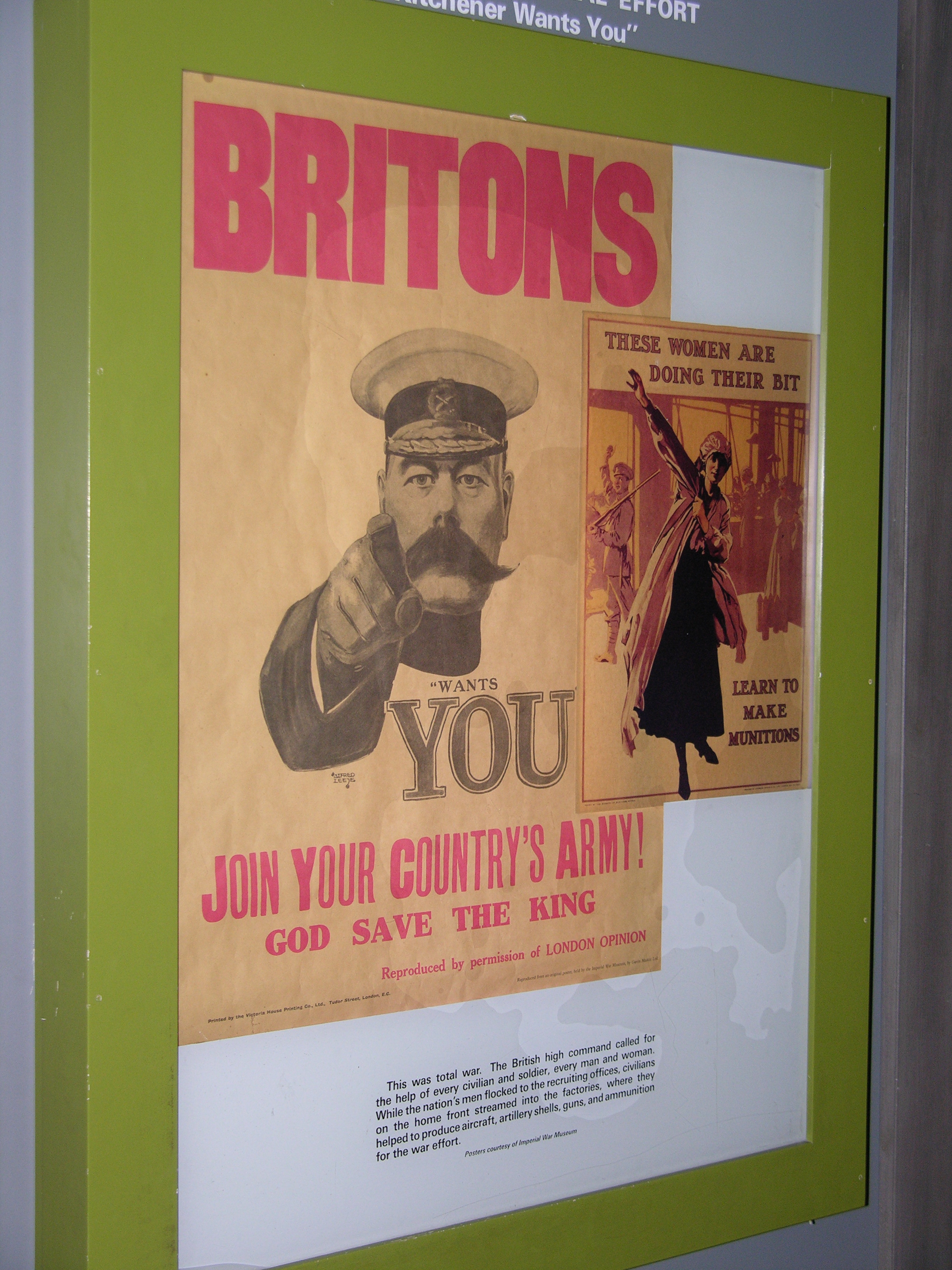 In 1914, the assassination of Archduke Franz Ferdinand of Austria and his wife, Sophie, Duchess of Hohenberg, launched a world period of warfare and instability that lasted for almost 40 years. This shifting of world powers and tensions between the ruling families of Europe and their respective national governments, dominated world events well into the 1950s. Millions lost their lives as World War I and II shook the nations.
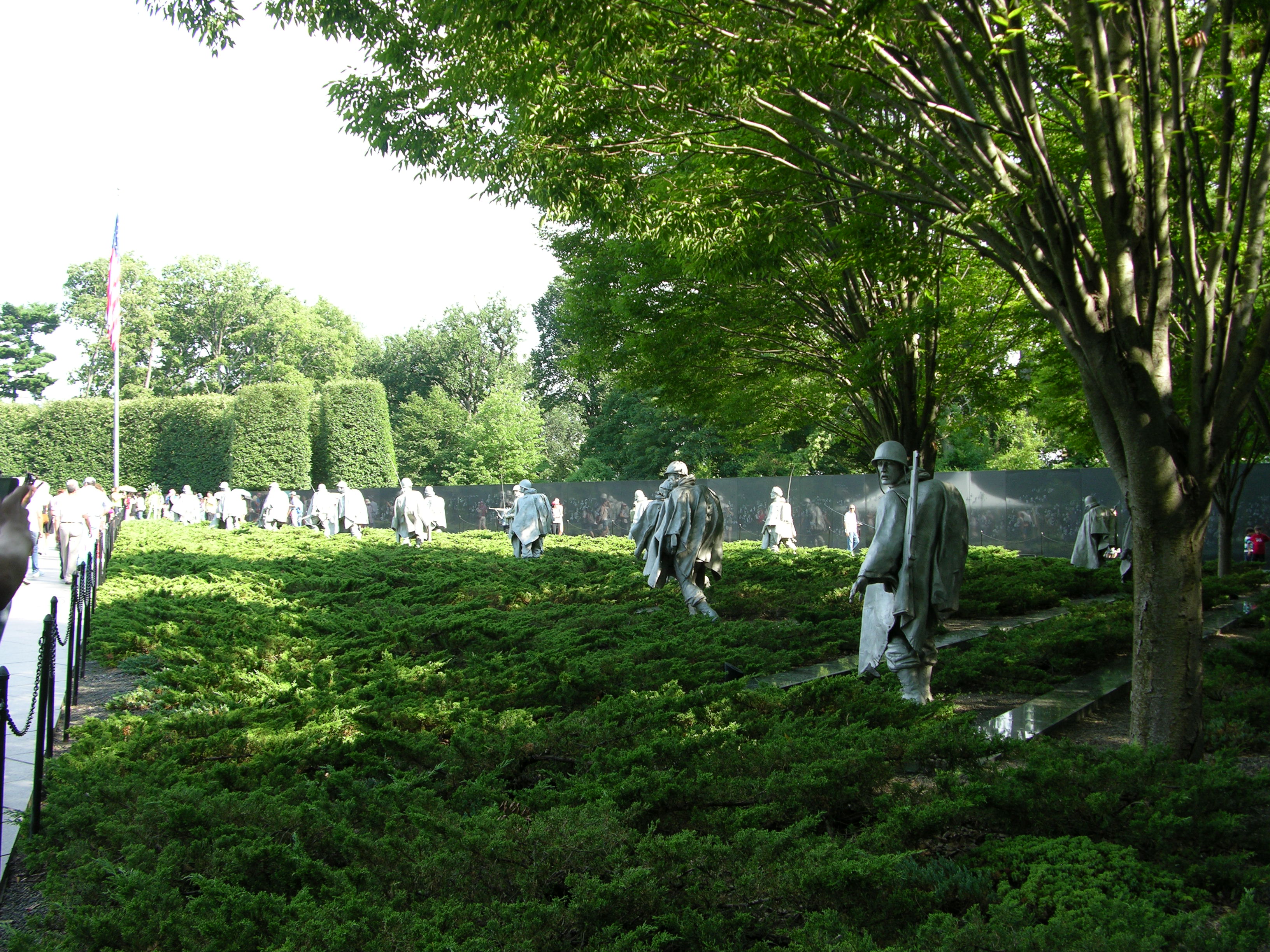 The ensuing regional wars continued, as military powers fought for more and more control. Actions mostly prompted world events, but words and ideologies elevated the actions, and triggered unbelievable blood shed.
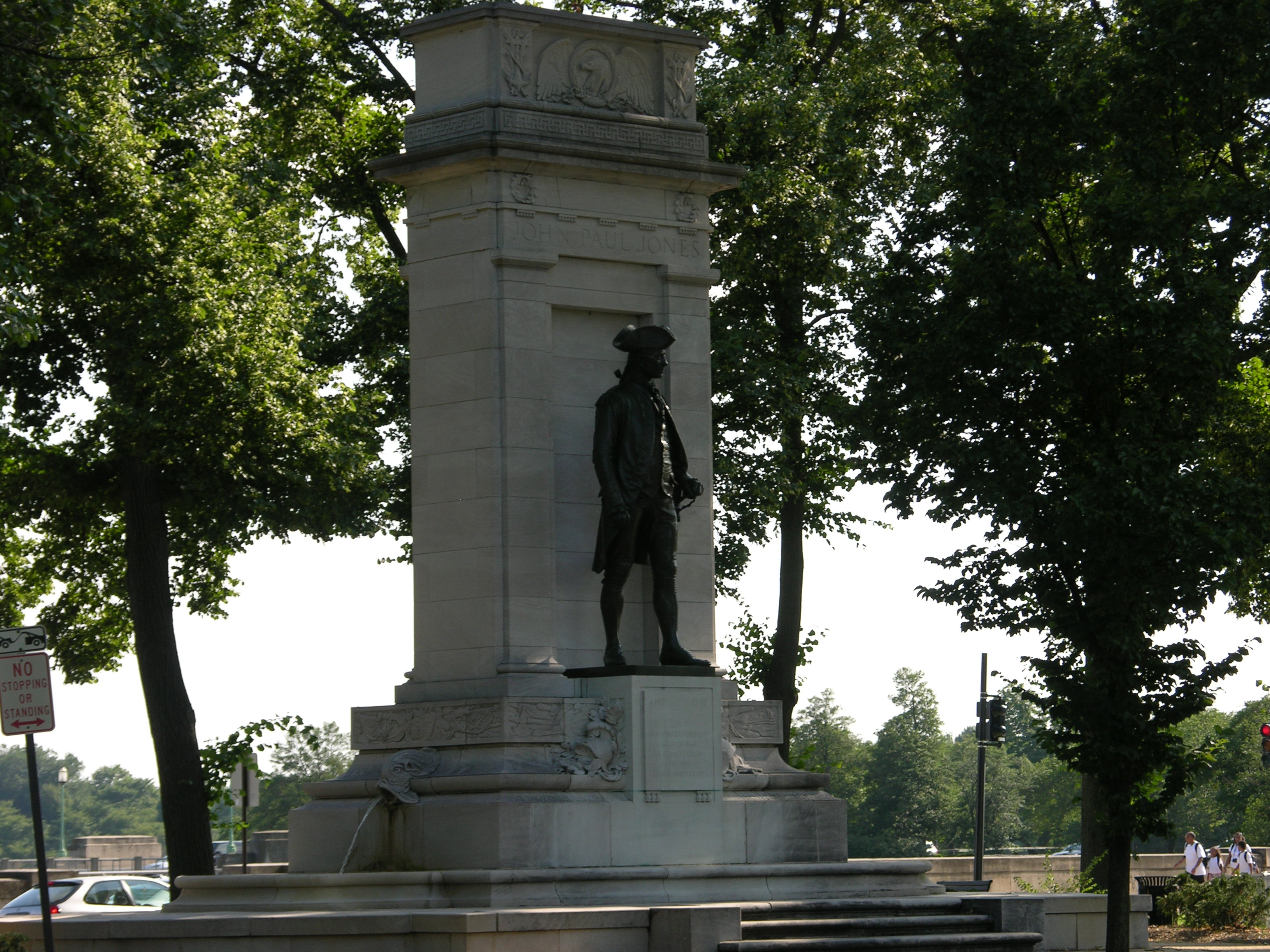 Political point of view has such an impact on how we receive and process information and revelation. Hindsight and history are great levelers of learning boundaries and disabilities.
 Reading through eye-witness accounts and documents, often gives us the ability to look into how the information being presented was initially captured, and how it affected those taking the time and opportunity to record the historical events unfolding in their day. Such is the impact of the first four books of the New Testament, documents entitled ‘The Gospels’ in liturgical speak. The word gospel means ‘good news’; and so the accounts of the times of Jesus were to those who chose to recount His life and earthly ministry.
The histories of the men, whose books bear their names [Matthew, Mark, Luke and John], tell much about how their writings came to be accepted as reliable accounts. Matthew was a tax collector Jesus personally called to come and follow Him. In Rabbinical schools of Jesus’ day, the teacher (Rabbi) would gather a small group of students together in a fixed group to stay together and learn for a fixed period of time. Being chosen by well respected teachers was a great privilege. This choosing process usually occurred while the students were still very young. Fishermen and tax collectors were not likely candidates for these select groupings.(1) Much effort and study of these four works individually, and in parallel, has been documented all the way back to the second century.(2)
 Matthew was a duty or toll booth tax collector, who extracted taxes and government tolls from the local farmers, merchants and caravans that traveled the main highway from Damascus (in Syria today) down through the Jordan Valley to Capernaum. The same road also had a segment that went west to join the coastal road that led to Egypt; and southward to Jerusalem. Employed by Herod Antipas, Matthew knew the value of goods being bartered or traded and sold. He spoke the local Aramaic language as well as Greek, and he leased his tax collecting business annually; paying the upfront amount to the Roman government. The amount he collected in repayment was profitable and gave him much wealth; therefore because of his heavy handed practices, he was despised and reviled by his fellow Jews.(3)
Early church writings present the Gospel of Mark as the work of John Mark. He shows up on missionary journeys with Barnabas and the Apostle Paul and as a probable assistant to the disciple Peter. Some historians have suggested that Mark’s narrative of Jesus’ arrest in the Garden of Gethsemane provides an interesting clue to the identity of the writer:
“And a young man was following Jesus [in the crowd of people] with nothing but a linen cloth (drape or sheet) thrown about his body. And they [the soldiers in the arrest cohort] laid hold of him. But leaving behind the linen cloth, he fled from them (and the scene of the arrest) naked.”(4)
Mark seeks to address a non-Jewish audience and he takes the time to explain Jewish customs and some of the harder to understand Jewish traditions. Mark’s detailed accounts document the recollections of Peter, the disciple Jesus called out of the boat to walk with Him on the raging sea. Mark goes after the action of Jesus’ purpose and life. Mark’s account is the Jesus action movie we need today. Mark captures the hellish intent of demonic forces to overtake people, even young children, and to bring great destruction to them and those they are around. Mark makes it clear that demons exist and target even the youngest and most vulnerable.(5)
 Luke was a physician of his day and possibly Greek. He was a traveling companion and a close friend of the Apostle Paul, and early church historians date Luke’s first book as being written during Paul’s first Roman imprisonment. Luke also wrote the book of Acts as a follow up to his Gospel narrative. Luke wanted to present a “orderly” account to events he sought to verify through much research. He had contact with the elders in the Jerusalem church which included James, the half-brother of Jesus. He most likely interviewed Mary and the other disciples who were eye witnesses of Jesus’ life and ministry.(6)
John and his brother James were originally followers of John the Baptist. Upon hearing the Baptist’s testimony about Jesus, they left and became disciples of Jesus. John’s family were fishermen, prosperous and willing to give their financial substance to support the daily needs of Jesus as He traveled and ministered. John’s youth and his eye witness account, provides a very interesting and challenging perspective. Jesus referred to John and James as “The sons of Thunder” because of their zeal. Jesus also referred to John as “the Beloved Disciple”.(7) As He was dying on the cross, Jesus charged John with the care of His mother.(8) 
Because of personal experience, John grasped the divinity of Jesus as ‘The Christ’, the promised Messiah from God. John set down his account to prove his understanding, by documenting key miracles or signs that Jesus performed. John opens his narrative with this incredible declaration:
“In the beginning was the Word, and the Word was with God, and the Word was God. He was with God in the beginning. Through Him [Jesus] all things were made; without Him nothing was made that has been made. In Him was life, and that life was the light of men. The Light shines in the darkness, but the darkness has not understood it… The Word became flesh and made His dwelling among us. We have seen His glory, the glory of the One and Only, who came from the Father, full of grace and truth.”(9)
He also documented the drastic, radical, revolutionary declarations made by Jesus. It is here in John’s writings we begin to see the magnitude of this far-reaching perspective, and the impact of Jesus’ uncompromising words:
• I AM the Bread of Life; he who comes to Me shall never go hungry; he who believes in Me shall never be thirsty.(10)
• I AM the Light of the world; he that follows Me shall not walk in darkness.(11)
• I AM the door; by Me if any man enter in, he shall be saved.(12)
• I AM the good Shepherd…I lay down My life for the sheep.(13)
• I AM the resurrection and the life. He who believes in Me will live, even though he dies.(14)
• I AM the Way, the Truth and the Life; no one comes to the Father except through Me.(15)
• I AM the true Vine, and My Father is the Gardner. He cuts off every branch in Me that bears no fruit.(16)
• Do not let your hearts be troubled. Trust in God; trust also in Me.(17)
• He who has seen Me has seen the Father. The words I say to you are not just My own. Rather, it is the Father, living in Me who is doing His work.(18)
• Anyone who has faith in Me will do what I have been doing. He will do even greater works than these [all of Jesus’ miracles] because I am going to the Father. (19)
(19)
The impact of His phraseology was not lost on His audience. Their memories were fixed on a former Hebrew deliverer named Moses, who encountered God in a burning bush on the far side of the desert of Midian at Horeb, the mountain of God:
“Moses said to God, “Suppose I go to the Israelites and say to them, “The God of your fathers has sent me to you,” and they ask me, “What is His name?” Then what shall I tell them?”” God said to Moses, “I AM WHO I AM. This is what you are to say to the Israelites: “I AM has sent me to you.” God also said to Moses, “Say to the Israelites, “The Lord, the God of your fathers, the God of Abraham, the God of Isaac and the God of Jacob has sent me to you. This is My name forever, the name by which I AM to be remembered from generation to generation.””(20) 
Jesus stepped further over the line during His last meal with the disciples, just before His arrest, suffering and crucifixion. John records another interesting observation before the meal began:
“It was just before the Passover Feast, Jesus knew that the time had come for Him to leave this world and go to the Father. Having loved His own who were in the world, He now showed the full extent of His love. The evening meal was being served, and the devil had already prompted Judas Iscariot, son of Simon, to betray Jesus. Jesus knew that the Father had put all things under His power, and that He had come from God and was returning to God; so He got up from the meal, took off His outer clothing, and wrapped a towel around His waist. After that, He poured water into a basin and began to wash His disciples feet, drying them with the towel that was wrapped around Him.”(21) 
As the disciples sat around the table, eating the Passover Supper, they pondered His pre-dinner action of washing their feet; an act of hospitality usually performed by the lowest house servant. They struggled and wrestled with His words and the possible meanings. He knew their thoughts, their anxieties, their desire for position and authority. He understood their humanity as no other man ever would. He felt their perplexity at His extreme statements.
 As the meal was ending, Judas Iscariot [the troubled disciple], took the morsel of bread Jesus dipped in the dish. At that moment he made his decision to betray Jesus to the Jewish authorities seeking to arrest Him. John makes an interesting observation: “As soon as Judas took the bread, Satan entered into him.”(22)
Once Judas was gone, Jesus declared the glory of this moment in time. Then Jesus fired the shot heard around the world:
“A new command I give you: Love one another. As I have loved you, so you must love one another. By this all men will know that you are My disciples, IF you love one another.”(23)
We read these words now days, as kind and encouraging, and possibly ‘common place’ by our standards. How sweet to think that Jesus wants us to love each other. However, He was not just being kind; He was putting Himself in the same place as God. Thousands of years earlier, God handed down the original commandments to Moses on Mount Sinai, once Israel had been delivered from Egypt’s bondage and was encamped at the mountain side. Now Jesus was introducing a new law; He was asserting His own authority once again and introducing a new way to love – the agape way. He reiterated this new command four times during that last meal.(24) 
[Greek #25 agapao (ag-ap-ah-o) to love, in a social or moral sense – be love](25)
Jesus threw down the gauntlet, like the medieval knights of olden times, challenging all the evil forces behind His spiritual and soon to be literal battle. “If you love Me, keep My commandments.”(26)
John captures one more significant event just before Jesus is arrested. After the dinner and the profound passages which capture the comfort Jesus was giving to His group of unlikely disciples, Jesus leads them across the Kidron Valley to the olive grove He favored for private time.(27)
“Now Judas, who betrayed Him, knew the place, because Jesus had often met there with His disciples. So Judas came to the grove, guiding a detachment of soldiers (a Roman Cohort with the capacity of 1000 men) and some officials from the chief priests and Pharisees.(28) They were carrying torches, lanterns and weapons. 
Jesus, knowing all that was going to happen to Him, went out and asked them, “Who is it you want?”
“Jesus of Nazareth,” they replied.
“I am He,” Jesus said. (And Judas the traitor was standing there with them.)
When Jesus said, “I am He,” they drew backward (lurched backward) and fell to the ground. Again He asked them, “Who is it you want?”
And they said, “Jesus of Nazareth.”
“I told you that I AM He,” Jesus answered. “If you are looking for Me, then let these men go.” This happened so that the words He had spoken would be fulfilled: “I have not lost one of those You gave Me.” Then Simon Peter, who had a sword, drew it and struck the high priest’s servant, cutting off his right ear. (The servant’s name was Malchus.) Jesus commanded Peter, “Put your sword away! Shall I not drink the cup the Father has given Me?”(29)
Matthew documents:
“Put your sword back in its place.” Jesus said to him, “for all who draw the sword will die by the sword. Do you not think I cannot call on my Father, and He will at once put at My disposal more than twelve legions of angels? But how then would the Scriptures be fulfilled that say it must happen this way?”(30)
 Why did the Cohort and the mob lurch backward and fall to the ground when Jesus declared, “I AM HE!”?
I believe the latent power that belonged to Jesus – power at His disposal in that crucial moment of time – was the same Power that spoke the worlds into existence. Remember? John told us in the beginning Jesus was the Word made flesh. He had the power to destroy them all and make the cross powerless, but He knew it was the Father’s plan, so He chose the Father’s way, the new command of love.
Some interesting love statistics:
12 = Number of times Matthew used the word love and its various forms
6 = Number of times Mark used the word love and its various forms
13 = Number of times Luke used the word love and its various forms
126 = Number of times John used the word love and its various forms (31)
*****************************END NOTES*************************************
(1) Excerpts from “Rabbi”; “Holman Bible Dictionary”; copyright 1991 Holman Bible Publishers; Nashville, TN; page 1162.
(2) “Harmony of the Gospels”; “Holman Bible Dictionary”; copyright 1991 Holman Bible Publishers; Nashville, TN; pages 606-608.
(3) Excerpts from “Matthew”; “Holman Bible Dictionary”; copyright 1991 Holman Bible Publishers; Nashville, TN; page 932.
(4) Mark 14:50-52; “The Comparative Study Bible – The Amplified Version”; copyright 1999, Zondervan; Grand Rapids, MI; page 2574.
(5) Excerpts from “Mark, John; and Mark, The Gospel of”; “Holman Bible Dictionary”; copyright 1991 Holman Bible Publishers; Nashville, TN; pages 918 -924.
(6) Excerpts from “Luke and Luke, Gospel of”; “Holman Bible Dictionary”; copyright 1991 Holman Bible Publishers; Nashville, TN; pages 899-903.
(7) Excerpts from “John and John, Gospel of”; “Holman Bible Dictionary”; copyright 1991 Holman Bible Publishers; Nashville, TN; pages 803-807.
(8) John 19:25-27; “The Comparative Study Bible – The New International Version”; copyright 1999, Zondervan; Grand Rapids, MI; page 2759.
(9) John 1:1-5, 14; “The Comparative Study Bible – The New International Version”; copyright 1999, Zondervan; Grand Rapids, MI; page 2689.
(10) John 6:35; “The Comparative Study Bible – The New International Version”; copyright 1999, Zondervan; Grand Rapids, MI; page 2711.
(11) John 8:12; “The Comparative Study Bible – The New International Version”; copyright 1999, Zondervan; Grand Rapids, MI; page 2719.
(12) John 10:9; “The Comparative Study Bible – The New International Version”; copyright 1999, Zondervan; Grand Rapids, MI; page 2727.
(13) John 10:14-15; “The Comparative Study Bible – The New International Version”; copyright 1999, Zondervan; Grand Rapids, MI; page 2727.
(14) John 11:25; “The Comparative Study Bible – The New International Version”; copyright 1999, Zondervan; Grand Rapids, MI; page 2731.
(15) John 14:6; “The Comparative Study Bible – The New International Version”; copyright 1999, Zondervan; Grand Rapids, MI; page 2741.
(16) John 15:1-2; “The Comparative Study Bible – The New International Version”; copyright 1999, Zondervan; Grand Rapids, MI; page 2745.
(17) John 14:1; “The Comparative Study Bible – The New International Version”; copyright 1999, Zondervan; Grand Rapids, MI; page 2741.
(18) John 14:9-10; “The Comparative Study Bible – The New International Version”; copyright 1999, Zondervan; Grand Rapids, MI; page 2471.
(19) John 14:12; “The Comparative Study Bible – The New International Version”; copyright 1999, Zondervan; Grand Rapids, MI; page 2743.
(20) Exodus 3:13-15; “The Comparative Study Bible – The New International Version”; copyright 1999, Zondervan; Grand Rapids, MI; page 149-151.
(21) John 13:1-5; ; “The Comparative Study Bible – The New International Version”; copyright 1999, Zondervan; Grand Rapids, MI; page 2739.
(22) John 13:27; ; “The Comparative Study Bible – The New International Version”; copyright 1999, Zondervan; Grand Rapids, MI; page 2741.
(23) John 13:34; “The Comparative Study Bible – The New International Version”; copyright 1999, Zondervan; Grand Rapids, MI; page 2741.
(24) John 13:34 & 35; John 15:12 & 17; “The Comparative Study Bible – The New International Version”; copyright 1999, Zondervan; Grand Rapids, MI; pages 2741 & 2745.
(25) Agapao; Greek #25; “The New Strong’s Exhaustive Concordance of the Bible”; Strong; James, LL.D.,S.T.D; copyright 1995,1996; Thomas Nelson Publishers; Nashville, TN; page 1.
(26) John 13;34 and John 14:15; “The Comparative Study Bible – The New International Version”; copyright 1999, Zondervan; Grand Rapids, MI; pages 2741and 2743
(27) John 14, 15, 16, 17; “The Comparative Study Bible – The New International Version”; copyright 1999, Zondervan; Grand Rapids, MI; pages 2741-2753.
(28) Excerpt from “Cohort”; “Holman Bible Dictionary”; copyright 1991 Holman Bible Publishers; Nashville, TN; page 274.
(29) John 18:2-11; “The Comparative Study Bible – The New International Version”; copyright 1999, Zondervan; Grand Rapids, MI; page 2753.
(30) Matthew 26:52-54; “The Comparative Study Bible – The New International Version”; copyright 1999, Zondervan; Grand Rapids, MI; page 2511.
(31) This includes the Gospel of John, I,II,III John and Revelations.



 Not A Matter of Talk